
The anti-corruption discourse in our country usually rationalises the failure or refusal to prosecute any important persons for corrupt acts as being a result of our small size. After all, everyone has a friend who will see for them. Those friends will warn them, lie for them, forget for them or even lose a file or two for them. We have all had these frustrating discussions and wondered if we can ever muster the will or the wits to lock-up the important people who regularly commit acts of grand corruption.
 When one considers the global news on this anti-corruption struggle, it is clear that in some substantial way the tide has turned. In a variety of countries, the citizens have become so outraged at the damage that large-scale corruption has done to their societies that the authorities there have now started to take decisive action against this scourge. It all makes me wonder when is the Caribbean going to catch-up with the rest of the world in punishing these destructive acts. Continue reading “Does Size really Matter?”




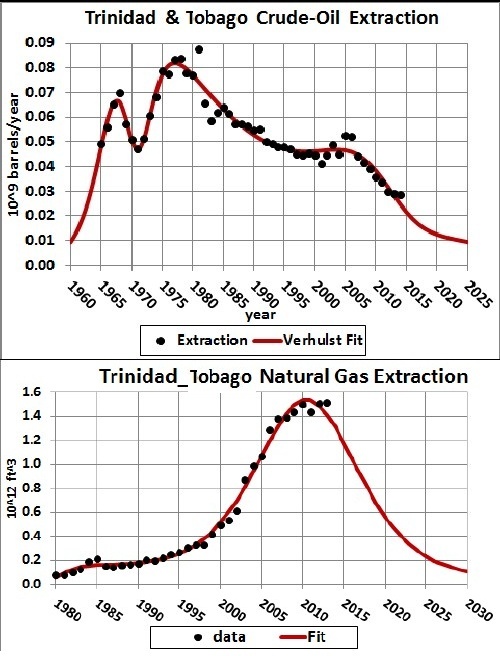 The long oil/gas boom we enjoyed is drawing to a close, so we are now therefore forced to really deal with hard diversification questions to maintain the viability of our society.
 Afra Raymond is with Ralph Maraj on i95.5FM discussing the hot topic of the day: the La Brea Dry Dock project. They cover the Government to Government Agreement; the contractor hired, the China Harbour Engineering; and the new Public Procurement System. Audio courtesy i95.5 FM
 Afra was part of a distinguished panel of speakers at a pre-budget forum discussing the subject ‘Understanding Where We Are…Today – Trinidad and Tobago Economy”. This event was held by the Greater Tunapuna Chamber of Industry and Commerce. The secrecy of government-to-government or State projects are analysed with a conclusion that an educated population must be part of the diversity of views that become part of the modern national decision making process.
 This is my second essay on the size and meaning of the Housing Gap. That is the gap between the beneficial intentions of the Housing Policy (2002) and the needs of the actual applicants, the neediest citizens, in this my Season of Reflection. The State Institution with responsibility to close that gap is the Housing Development Corporation (HDC). The Land Settlement Agency has responsibility for providing serviced lots but that is a minor part of the output.
 Afra Raymond is interviewed by Hema Ramkissoon on CNC3’s ‘Morning Brew’ on Monday 10th September 2018 to discuss the recently-announced
 The inescapable challenge for our national housing program is to provide sufficient affordable housing options of a decent quality. The HDC’s waiting-list is now in excess of 176,000 individual applicants, which excludes co-applicants or dependents. Over 90% of those applicants cannot afford a mortgage or to ever buy their own homes. They are just too poor to do so.
